


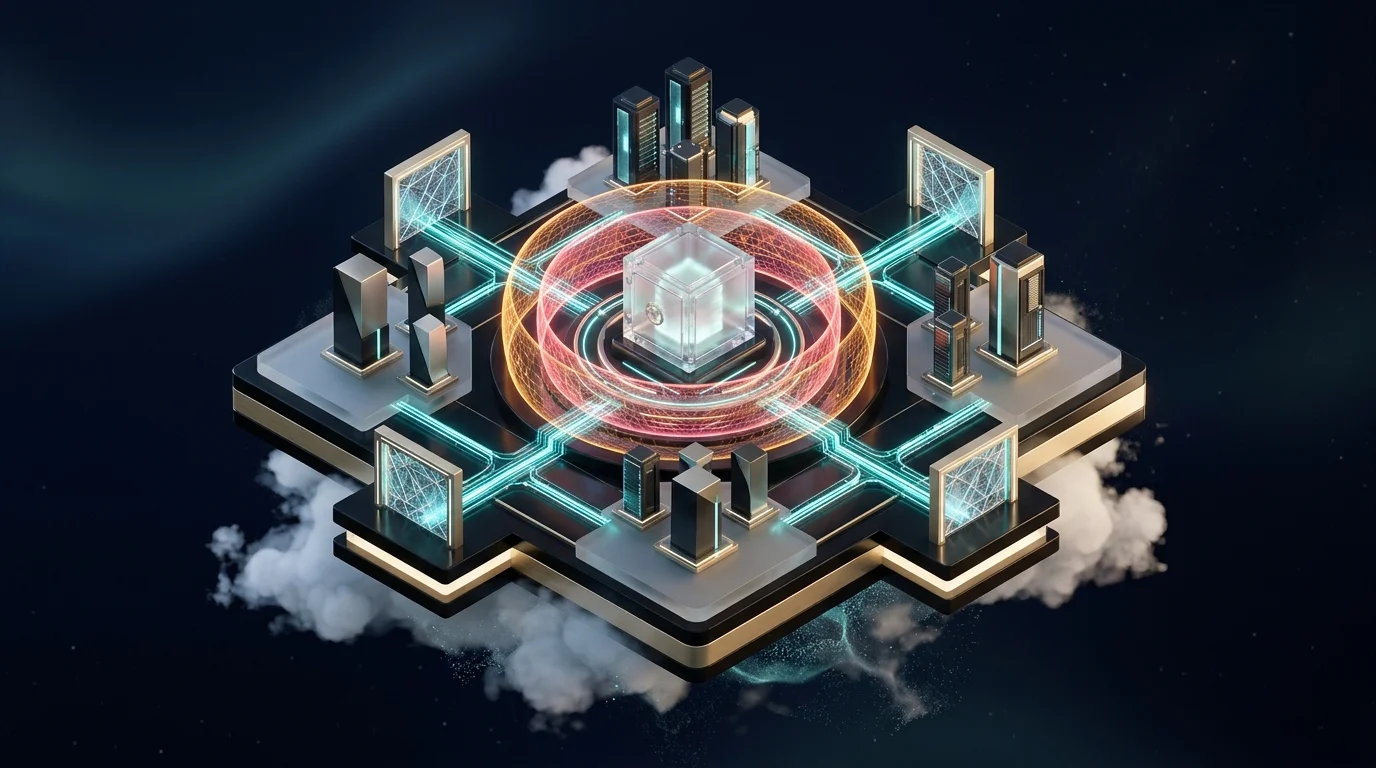
In 2026, enterprise software architecture has decoupled from perimeter-based firewalls. Modern technology organizations operate across distributed multi-cloud estates, ephemeral container clusters, serverless edge workers, and autonomous AI agents accessing sensitive corporate data. Simultaneously, the velocity and sophistication of cyber threats—spanning automated credential stuffing, software supply chain tampering, cryptographic vulnerabilities, and AI-driven social engineering—have turned security into an existential board-level priority. To architect resilient, trustworthy digital systems without choking engineering velocity, high-growth tech companies and global enterprises are aggressively hiring senior Remote Security Architects.
A Security Architect serves as the chief strategist and guardian of an organization's digital trust. Rather than merely responding to active security alerts or triaging vulnerability tickets, Security Architects design the overarching structural safeguards, cryptographic standards, identity models, and governance blueprints that govern every microservice, API, and cloud resource. Crucially, enterprise security architecture is an intrinsically location-independent discipline. Threat models, architectural review comments (RFCs), Zero Trust policies, and infrastructure-as-code security baselines are authored in Git repositories and collaborative documents accessible from anywhere on earth. Consequently, forward-thinking global companies recruit Security Architects worldwide, offering top-tier international compensation packages ranging from $150,000 to $275,000+ USD alongside full geographic autonomy.
Synthesizing insights from RemoteKraft's global career intelligence—including our guides to remote DevSecOps engineer jobs, remote cybersecurity engineer jobs, remote cloud architect jobs, remote software architect jobs, remote solutions architect jobs, remote data architect jobs, remote technical interview preparation, and collaborating across remote time zones—this 2026 blueprint outlines the technical competencies, architectural frameworks, portfolio artifacts, and compensation benchmarks required to land elite worldwide remote Security Architect jobs.
1. Security Architect vs. DevSecOps Engineer vs. Cybersecurity Engineer vs. Cloud Architect
International hiring committees evaluate candidates based on their understanding of organizational boundaries and leadership responsibilities across the security lifecycle:
- Security Architect: The strategic and structural visionary. Defines enterprise security blueprints, establishes Zero Trust architectures (NIST SP 800-207), authors architectural threat models (STRIDE, PASTA), selects cryptographic standards, mandates identity federation paradigms (OIDC, SPIFFE/SPIRE), and translates regulatory requirements (SOC 2, ISO 27001, FedRAMP) into actionable engineering patterns.
- DevSecOps Engineer: The continuous delivery builder. Embeds security scanners (SAST, DAST, SCA) directly into CI/CD pipelines, writes automated policy-as-code guardrails (OPA, Kyverno), and remediates container image vulnerabilities. Read our guide to remote DevSecOps engineer jobs.
- Cybersecurity / SecOps Engineer: The tactical defender. Operates Security Operations Centers (SOC), configures SIEM/SOAR platforms (Splunk, Datadog Security, Sentinel), monitors intrusion detection alerts, and leads incident response when breaches occur. Compare roles in our guide to remote cybersecurity engineer jobs.
- Cloud Architect: Focuses broadly on end-to-end cloud infrastructure, VPC networking, compute sizing, and disaster recovery across AWS, Azure, and GCP. While Cloud Architects prioritize availability, performance, and cost, Security Architects partner with them to enforce least-privilege identity and cryptographic isolation. Learn more in our guide to remote cloud architect jobs.
2. Core Architectural Pillars Demanded by Global Remote Employers in 2026
To excel in international remote technical and architectural evaluations, Security Architects must demonstrate deep practical mastery across six core pillars:
A. Zero Trust Architecture (ZTA) & Micro-Segmentation (NIST SP 800-207)
The obsolete model of "trust internal network traffic, inspect external traffic" has been completely dismantled. Remote Security Architects design environments where no user, device, or workload is implicitly trusted:
- Continuous Verification: Enforcing dynamic authentication and authorization at every transaction layer based on device posture, user context, behavioral telemetry, and resource sensitivity rather than IP address location.
- Workload Identity & Mutual TLS (mTLS): Deploying distributed service mesh architectures (Istio, Linkerd) and workload attestation frameworks (SPIFFE/SPIRE) to cryptographically identify microservices and establish short-lived, encrypted mTLS communication channels.
- Software-Defined Perimeters (SDP): Eliminating fragile corporate VPNs in favor of modern Zero Trust Network Access (ZTNA) solutions (Cloudflare Access, Tailscale, Google BeyondCorp Enterprise, Zscaler) that connect authenticated remote employees directly to specific authorized applications.
B. Systematic Threat Modeling & Risk Quantification
Architects do not rely on intuition; they employ structured threat modeling methodologies to identify and mitigate vulnerabilities during early design phases before a single line of code is committed:
- Methodological Rigor: Practical mastery of established frameworks including STRIDE (Spoofing, Tampering, Repudiation, Information Disclosure, Denial of Service, Elevation of Privilege) and risk-centric approaches like PASTA (Process for Attack Simulation and Threat Analysis).
- Data Flow Diagrams (DFDs) & Trust Boundaries: Mapping data ingress, egress, serialization, storage, and cross-boundary transitions to identify architectural attack surfaces across hybrid cloud networks.
- Threat Modeling as Code: Integrating automated threat modeling tools (PyTM, OWASP Threat Dragon) into developer Git workflows to keep threat models synchronized with evolving architecture.
C. Cloud Security Posture Management (CSPM) & Identity Attestation
In multi-cloud environments (AWS, GCP, Azure), misconfigurations and excessive permissions represent the most pervasive security vulnerabilities:
- Cloud Infrastructure Entitlement Management (CIEM): Auditing and pruning excessive cloud IAM permissions, enforcing ephemeral just-in-time (JIT) access, and eliminating permanent root/administrator keys in favor of short-lived AWS IAM Roles and GCP Service Account impersonation.
- Modern Identity Federation & Authentication: Architecting enterprise single sign-on (SSO) via SAML 2.0 and OIDC, passwordless authentication using FIDO2/WebAuthn Passkeys, and secure token lifecycle management adhering to the latest OAuth 2.1 specifications.
- Cloud-Native Application Protection Platforms (CNAPP): Implementing unified visibility combining CSPM, Cloud Workload Protection (CWPP), and Kubernetes security posture management (KSPM) across heterogeneous cloud fleets.
D. Modern Applied Cryptography & Key Lifecycle Management
Security Architects must design cryptographic systems that protect data in transit, at rest, and in use without degrading performance:
- Hardware Security Modules (HSM) & Cloud KMS: Designing key hierarchy architectures (envelope encryption, master keys, data encryption keys) using AWS KMS, GCP Cloud KMS, Azure Key Vault, or dedicated cloud HSMs with automated rotation schedules.
- Centralized Secrets Orchestration: Eliminating hardcoded credentials, API tokens, and private keys using enterprise secret orchestrators (HashiCorp Vault, AWS Secrets Manager, Infisical) with dynamic short-lived credentials for database and cloud connections.
- Post-Quantum Cryptography (PQC) Readiness: Architecting cryptographic agility and evaluating transition roadmaps to NIST-standardized quantum-resistant algorithms (FIPS 203 ML-KEM, FIPS 204 ML-DSA, FIPS 205 SLH-DSA) to defend against "harvest now, decrypt later" threats.
E. Secure Software Supply Chain & Governance as Code
Modern applications incorporate hundreds of open-source dependencies and container images. Security Architects protect the delivery pipeline against upstream compromise:
- SLSA Framework & Supply Chain Integrity: Enforcing Supply-chain Levels for Software Artifacts (SLSA Level 3) compliance, reproducible builds, and cryptographic artifact signing using Sigstore/Cosign.
- Software Bill of Materials (SBOM): Mandating automated SBOM generation (CycloneDX, SPDX) on every production release and integrating automated vulnerability intelligence to assess zero-day impacts within minutes.
- Policy as Code: Enforcing organizational security standards programmatically across Kubernetes clusters and Terraform infrastructure using Open Policy Agent (OPA/Rego) and Kyverno.
F. AI Workload Security & LLM Agent Guardrails
The rapid proliferation of enterprise LLMs and generative AI agents introduces unique architectural risk vectors:
- OWASP Top 10 for LLMs: Designing architectural mitigations against prompt injection, insecure output handling, data poisoning, and sensitive information disclosure in RAG embeddings.
- Autonomous Agent Sandboxing: Architecting strict execution boundaries, least-privilege API scopes, and human-in-the-loop checkpoints for AI agents authorized to trigger database mutations or external financial transactions.
- Vector Database & Tenant Isolation: Ensuring multi-tenant enterprise data lakehouses and vector stores (pgvector, Pinecone) enforce strict attribute-based access controls to prevent cross-tenant data leakage. Connect with our insights in remote data architect jobs and remote AI engineer jobs.
3. The Distributed Advantage: Why Global Companies Rely on Remote Security Architects
Historically, enterprise security was perceived as a gatekeeper function situated in a corporate head office. In modern distributed software organizations, security architecture operates as an asynchronous engineering accelerator.
A high-performing remote Security Architect writes clear, reusable Architectural Decision Records (ADRs), provides self-serve security design templates, and embeds security guardrails directly into developer self-service portals. Because distributed teams operate across multiple time zones, well-documented security standards empower engineering squads in the Americas, Europe, and Asia to ship features confidently without waiting for synchronous sign-offs. To thrive in high-autonomy distributed organizations, explore our guide on collaborating smoothly across global remote time zones.
4. Designing a Standout Remote Security Architect Portfolio
Because enterprise security architectures are proprietary and confidential, senior candidates must substantiate their expertise through rigorous, open-source architectural artifacts and technical whitepapers:
- Production Zero Trust Reference Architecture: Publish an open-source GitHub repository showcasing a multi-tier microservice architecture deployed via Terraform and Kubernetes, configured with SPIRE workload attestation, Istio mTLS, and OPA gatekeepers.
- Comprehensive Architectural Threat Model: Document an in-depth, real-world threat model (STRIDE/PASTA) for a hypothetical fintech payment gateway or multi-tenant SaaS platform, complete with data flow diagrams, identified attack vectors, and prioritized mitigations.
- Architectural Decision Records (ADRs): Share a portfolio of well-reasoned ADRs evaluating real-world trade-offs (e.g., "Evaluating SPIFFE/SPIRE vs. Static Service Account Tokens for Multi-Cluster Kubernetes Mesh" or "Designing an Ephemeral Database Credential Pipeline via HashiCorp Vault").
- Supply Chain Security Case Study: Document an end-to-end GitHub Actions CI/CD pipeline enforcing SLSA provenance, Cosign container signing, SBOM generation with Syft, and automated Grype vulnerability gates.
5. Worldwide Remote Compensation Benchmarks for Security Architects (2026)
Because security architecture directly shields enterprises from catastrophic financial, legal, and reputational damages, compensation for experienced remote Security Architects ranks among the highest in the technology industry:
| Geographic Market / Hiring Model | Experience Level | Typical Annual Compensation (USD) | Primary Contract Structure |
|---|---|---|---|
| United States (National Remote) | Senior / Principal (8+ yrs) | $180,000 – $275,000+ | W2 Full-Time Employee + Equity |
| Europe & United Kingdom | Senior / Lead (7+ yrs) | €110,000 – €175,000 (~$120K–$190K) | Direct Local Entity / EoR (Deel, Remote) |
| Latin America (LATAM) | Senior Architect (6+ yrs) | $90,000 – $155,000 | Cross-Border B2B Contractor / USD Invoice |
| Asia-Pacific (APAC) & India | Staff / Enterprise Architect (8+ yrs) | $80,000 – $145,000 (₹65L – ₹1.2Cr+) | EoR Full-Time or Direct International B2B |
| Truly Location-Agnostic (Worldwide) | Principal / Enterprise Architect | $140,000 – $240,000+ | Global EoR / USD Cross-Border Contract |
For strategic guidance on evaluating international contractor vs. EoR employment contracts and tax structures, read our companion guides on remote employee vs. contractor trade-offs and worldwide remote salary negotiation strategies.
6. How to Excel in the Remote Security Architect Interview Loop
International hiring evaluations for Security Architects emphasize structured systems thinking, trade-off defense, and practical architectural leadership:
- Executive Recruiter & Alignment Screen (30 mins): Review of architectural background, communication clarity, experience collaborating across asynchronous time zones, and understanding of modern cloud security paradigms. Prepare thoroughly using our guide to remote technical interview preparation.
- Live Threat Modeling Session (60 mins): The interviewer presents a realistic architectural diagram (e.g., a cross-border e-commerce microservices architecture handling international credit cards). You are evaluated on your ability to apply STRIDE, identify trust boundaries, uncover subtle security design flaws, and prioritize mitigations.
- Enterprise Cloud Security System Design (75 mins): Designing an end-to-end secure cloud architecture from scratch. Common scenarios include architecting a multi-tenant Kubernetes platform with SPIFFE/SPIRE workload attestation, Zero Trust ingress, and KMS envelope encryption.
- Architectural RFC & Executive Defense: Reviewing an actual enterprise security scenario, authoring an Architectural Decision Record (ADR), and presenting your recommendations before a panel of Principal Architects and the Chief Information Security Officer (CISO). Master take-home evaluations with our take-home assignment playbook.
7. Frequently Asked Questions (FAQ)
Do I need industry certifications (CISSP, CCSP, SABSA) to land a remote Security Architect job?
While industry certifications like CISSP (Certified Information Systems Security Professional), CCSP (Certified Cloud Security Professional), and SABSA (Sherwood Applied Business Security Architecture) provide recognized credibility—especially in enterprise banking, healthcare, and defense—modern tech scale-ups prioritize demonstrable proof of work. An open-source portfolio demonstrating real-world threat models, Infrastructure as Code (Terraform) security baselines, and architectural whitepapers carries equal or greater weight in high-growth companies.
What is the most crucial soft skill for a remote Security Architect in 2026?
The single most critical capability is concise, persuasive written communication. Because Security Architects must influence distributed engineering squads across dozens of time zones without holding direct managerial authority, your ability to write clear, collaborative Architectural Decision Records (ADRs) and explain complex risk trade-offs without slowing engineering momentum defines your organizational impact.
How can international candidates protect themselves from fraudulent remote security job offers?
Because prestigious remote security roles command high salaries, bad actors occasionally post deceptive listings. Legitimate international employers will never request payments for software licensing or background checks, will never ask for confidential banking credentials during screening, and will never conduct interviews solely through anonymous messaging channels. Protect your search with our definitive guide on spotting and avoiding remote job scams.
Ready to design resilient Zero Trust systems and cloud security architectures for premier international tech organizations? Discover vetted worldwide remote opportunities on RemoteKraft's remote job marketplace, build a standout ATS-optimized resume with our free online resume builder, and accelerate your remote Security Architect career today.


.png)
